

The story of African and Caribbean artistic expression cannot be separated from one of the most consequential movements of people in human history. We have all heard about the transatlantic journey that forcibly displaced millions from Africa, for the purposes of labour in the Western World. This journey, though despicable, laid the foundations of a movement that shaped cultural history. Across centuries, communities shared their languages and ancient stories through visual art, performance and literature.
This article will celebrate a tapestry of expression, specifically in the Caribbean, and how deeper cultural landscapes are rooted in narratives that artists continue to explore and reinterpret to this day.
Reclaiming Suppressed Histories
Over the years, many Afro-Caribbean artists have turned to visual storytelling; reclaiming narratives that were long forgotten or silenced by the historical trauma of slavery. Contemporary artists often revisit sites that were heavily tied to the slave trade to re-examine archived materials, bringing forward new perspectives that were not included in previous accounts.
An insightful documentary: Choeurs Atlantiques gives us a glimpse into the process of Afro-Caribbean artists and scholars working together to shine light on these meaningful stories.
It is through these works artists continue to actively reshape the past and how it’s remembered. Their practices blend personal memory and collective history, turning art into a means of intellectual property that reimagines everything we were originally told.
Evolving Afro‑Atlantic Narratives
The idea of an interconnected Atlantic world has increasingly become a focus of scholarly and curatorial work. Large‑scale exhibitions have traced how the legacies of the transatlantic slave trade form a shared heritage spanning Africa, the Caribbean, Europe, and the Americas. These exhibitions present artwork from across centuries, inviting viewers to consider how the Middle Passage and its aftermath shaped communities socially, spiritually, and artistically.
Such projects highlight the evolution of diasporic identities and how traditions transformed as they crossed oceans. These projects also explore how communities adapted to new landscapes, and how artistic expression became a vehicle for survival and cultural continuity. This broader framing helps position Caribbean art not in isolation, but as part of a much wider Afro‑Atlantic dialogue.
Contemporary Artists Reimagining Diaspora and Identity
In recent years, artists working across the Afro‑Atlantic sphere have been reimagining what it means to belong to a diasporic community. Their work often explores the tension between connection and displacement; how one feels drawn to ancestral homelands while simultaneously negotiating a sense of home in the Caribbean or the wider Americas.
Exhibitions featuring artists from dozens of countries have showcased paintings, sculptures, photography, and conceptual works that grapple with identity, memory, and migration. Some of these pieces reinterpret traditional symbols; others present bold new visual languages rooted in the artists’ lived experiences. This contemporary lens allows for a more expansive and nuanced understanding of Black Atlantic identity, echoing the layered nature of diaspora itself.
Historical Roots of African Traditions
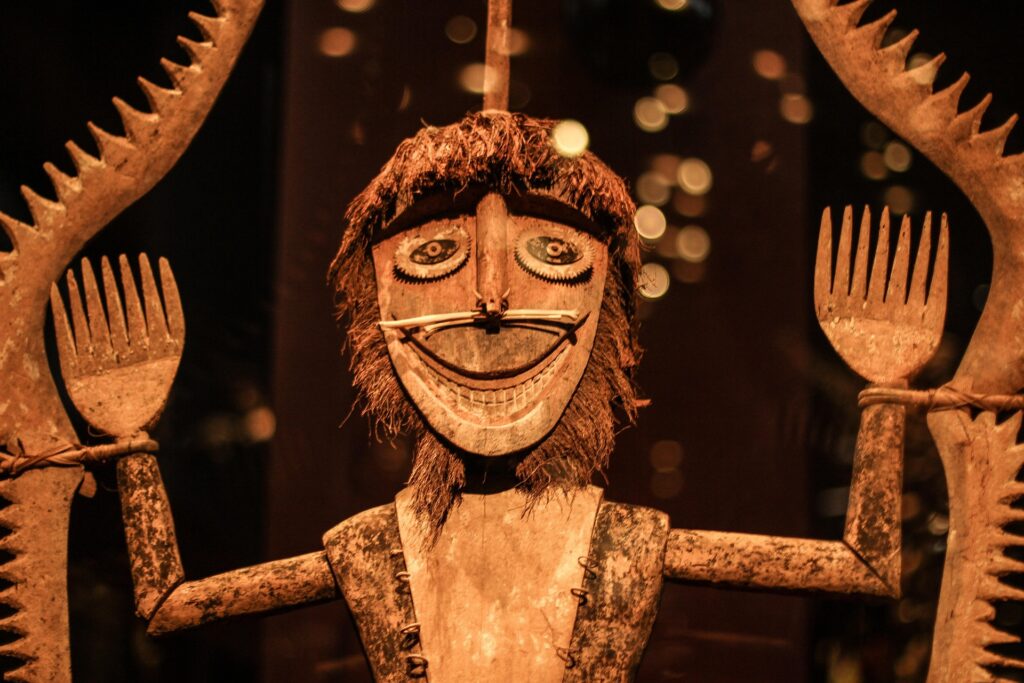
Understanding the Caribbean’s creative landscape requires one to also appreciate artistic traditions that shaped it long before the transatlantic journey began. Art in Africa historically served communal, spiritual and ceremonial purposes that reflected a range of cultures and belief systems between the native tribes. These traditions have since evolved over time, interacting with colonial forces, and later became powerful symbols of cultural identity during movements for independence and self-governance.
The movement of African art, both voluntary and forced, contributed to this transformation. Some objects were taken into Western museums and stripped of context, while others inspired modernist movements abroad. Despite these disruptions, many core principles of African aesthetics survived in the Caribbean through craft, performance, spirituality, and storytelling, ultimately informing the region’s distinctive artistic character and remaining visible today in the cultural expressions that many visitors encounter during Caribbean holidays.