

Travelers who once circled the same gallery districts in Paris or Berlin now scan maps for somewhere that feels creatively alive without being overexposed. Croatia ticks those boxes for many, through traveling exhibitions, artist residencies popping up along the coast and friends returning home talking about studios and late-night festival performances.
A flourishing contemporary art scene
Croatia’s contemporary art scene thrives because artists work close to their audiences rather than behind institutional walls. In cities like Zagreb and Rijeka, independent galleries occupy former industrial buildings and residential streets, creating shared spaces.
Local governments and cultural groups support emerging artists through affordable studio programs and rotating exhibitions. That practical backing means you encounter experimental work like digital installations, mixed-media sculpture and socially engaged art, reflecting current European debates.
You might also consider spending an afternoon gallery-hopping in Zagreb’s Marticeva Street area to see how young curators reshape older neighborhoods into creative hubs.
Revitalized museums and cultural institutions
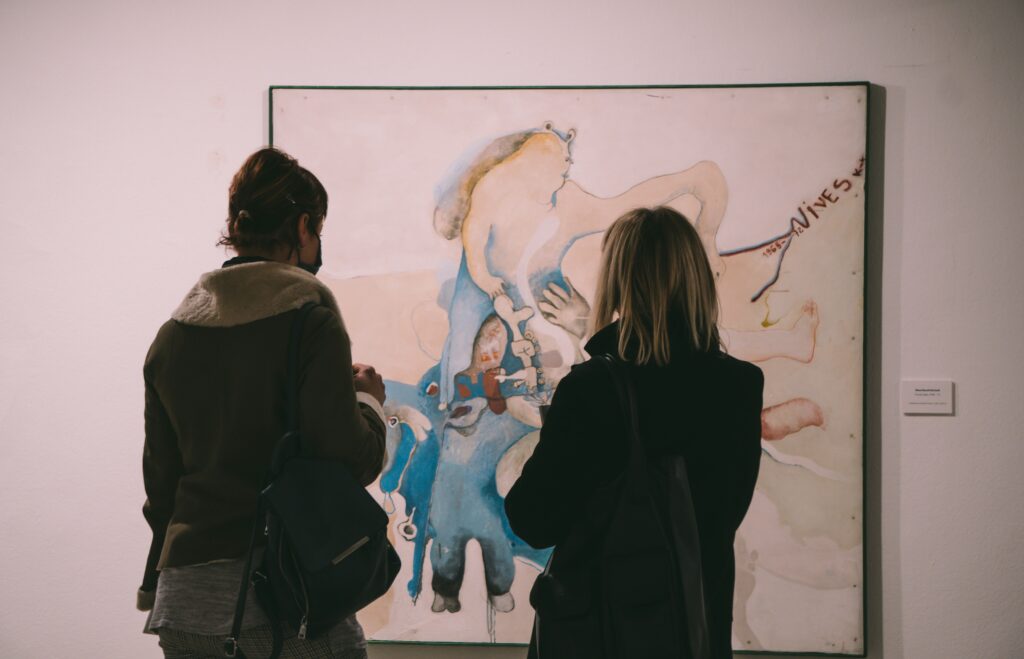
Croatia’s museums have moved away from static displays and embraced storytelling that connects past and present. Institutions like the Museum of Contemporary Art Zagreb present international exhibitions alongside regional artists, allowing you to understand how Croatian creativity fits into broader European movements.
Smaller institutions have followed the same path. Coastal museums now collaborate with designers, filmmakers and performance artists, turning exhibitions into evolving cultural programs rather than one-time visits. Plan visits around guided talks or evening openings to experience how locals actually use these spaces as social meeting points, not just tourist stops.
Global art festivals and events
Croatia’s cultural calendar plays a major role in its rising reputation. Events combine visual art with music, theater and public performance, drawing international audiences while keeping a distinctly local character.
The Dubrovnik Summer Festival transforms historic squares into performance venues, while Spancirfest fills baroque streets with installations and street art that invite spontaneous interaction.
Many travelers plan Croatia tours around these festivals because they offer structured access to artists and venues. Booking accommodation early helps you stay within walking distance of exhibitions. Meanwhile, festival programming often includes workshops and open studios, giving you a rare chance to see creative work mid-process instead of fully polished outcomes.
Artistic inspiration rooted in landscape and heritage
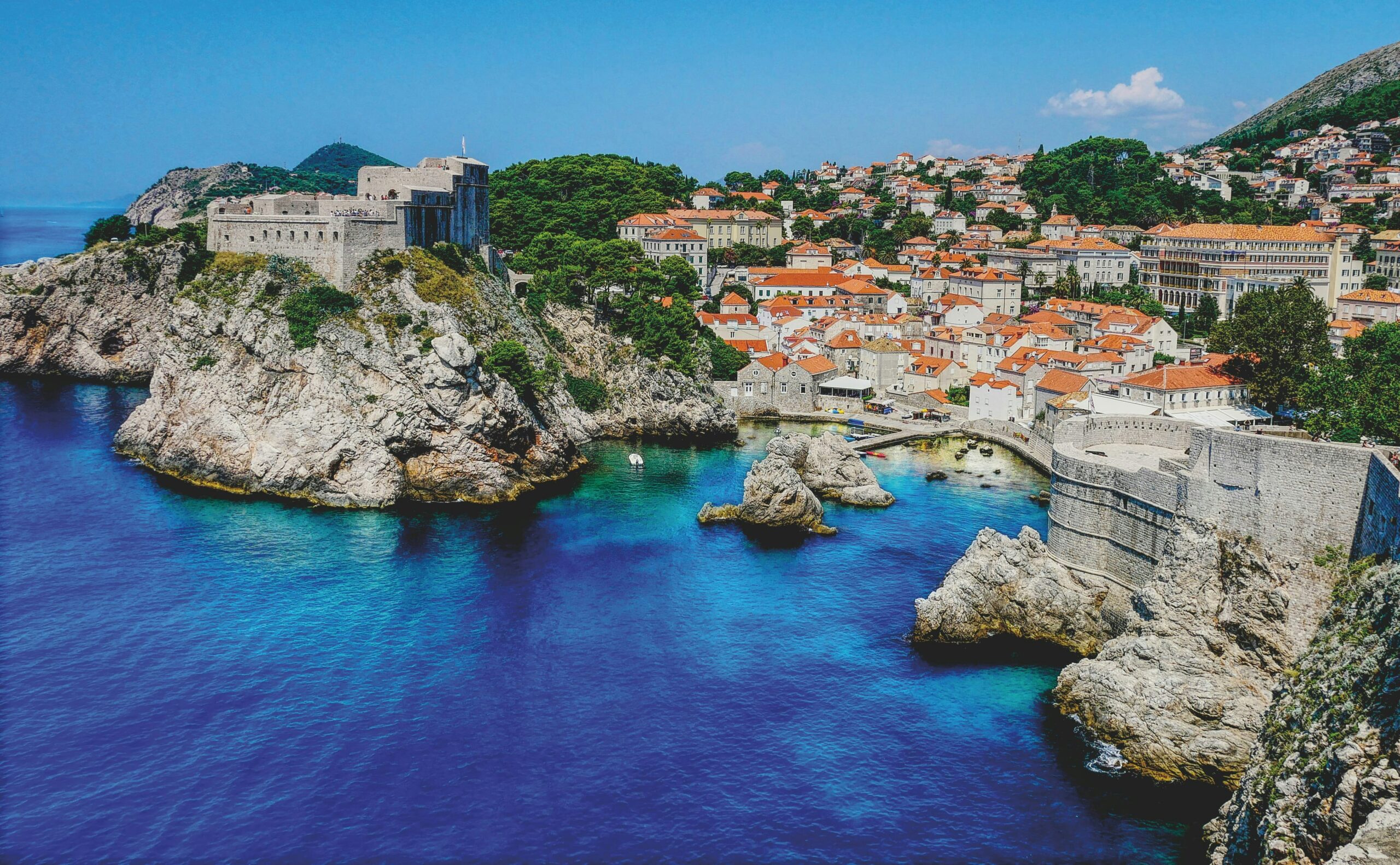
The Adriatic coastline, ancient architecture and UNESCO listed sites provide a compelling backdrop that continues to inspire generations of artists. Cities such as Split and Dubrovnik blend Roman ruins and contemporary life within walkable spaces, encouraging artists to respond directly to history rather than treat it as distant heritage.
Painters set up easels near limestone harbors, while photographers capture shifting coastal light. Visit smaller coastal towns outside peak cruise hours to notice how artists experiment with scale, sound and natural materials.