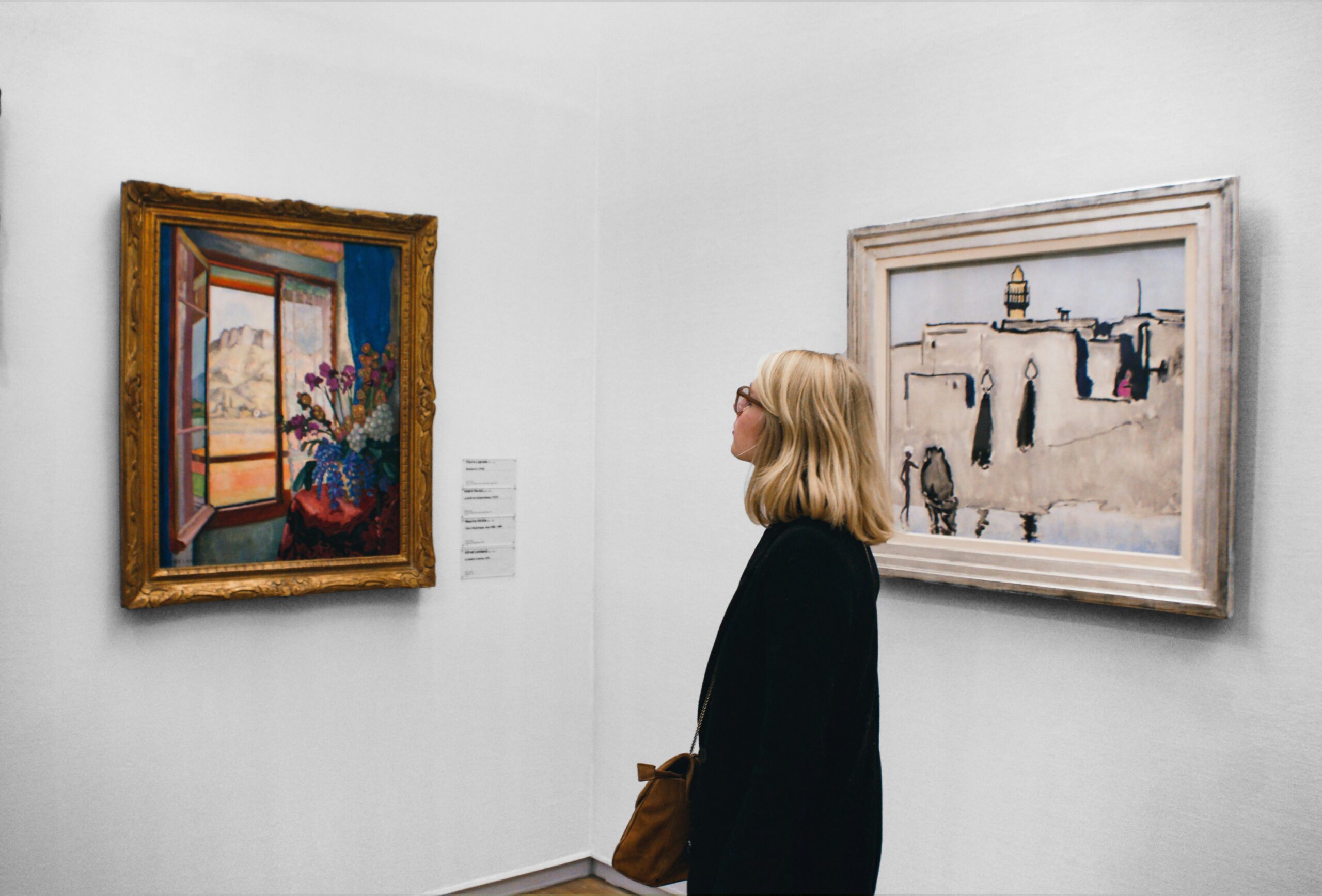


A successful art exhibition can feel effortless to the visitor. The works are hung at the right height, lighting feels intentional, labels provide enough context, and each room leads naturally into the next.
Behind that experience is months of planning. Curators, registrars, technicians, conservators, designers, lenders, insurers, writers, and finance teams may all be involved before the doors open.
Understanding this hidden work shows why exhibitions are as much operational projects as creative ones.
1. Turn the Curatorial Idea Into a Workable Plan
Every exhibition starts with an argument, story, artist, period, or theme.
The curatorial concept then needs to become a physical plan. Teams determine which works are essential, where they might come from, whether they can travel safely, and how they relate to one another.
A strong object list includes more than titles and artists.
Exhibition Records May Need
- Artist and artwork details
- Dimensions and weight
- Current owner or lender
- Insurance value
- Display requirements
- Conservation restrictions
- Copyright information
- Transport requirements
Those details affect almost every later decision.
2. Budget for More Than the Art on the Walls
Exhibition budgets can include transport, insurance, framing, display cases, installation crews, graphic design, printing, security, marketing, lighting, and temporary equipment.
Venue commitments also require attention.
A museum, gallery, or arts organization may occupy leased premises or use equipment under contractual arrangements. For organizations reporting under international accounting standards, IFRS 16 can become relevant when qualifying lease arrangements need to be recognized and reported correctly.
That accounting work is rarely visible to visitors, but poor financial planning can affect what an institution is realistically able to present.
Create the exhibition budget early and update it whenever the object list, venue, transport plan, or installation requirements change.
3. Secure Loans Early
Borrowing an artwork is not as simple as asking another museum or collector to send it.
Formal loan requests may need information about exhibition dates, purpose, venue security, environmental conditions, transport, insurance, and publication plans.
Lenders can also impose specific display requirements.
A fragile work on paper might have stricter lighting conditions than an oil painting. A sculpture may need a specialized mount or barrier. Another object may require a particular display case.
Loan conditions should be reviewed before the exhibition layout is finalized.
Otherwise, a design may have to be changed late in the project.
4. Check the Condition of Every Work
Condition reporting creates a record of an artwork’s physical state before movement, installation, and return.
The report may document cracks, abrasions, stains, losses, previous repairs, frame damage, or other characteristics.
Photographs are often used alongside written notes.
This protects both the lender and borrowing institution because there is a documented reference point if a concern appears later.
Condition checks should happen at appropriate stages, including unpacking and repacking.
5. Control the Exhibition Environment
Art cannot simply be placed wherever it looks best.
Light, temperature, humidity, pollutants, vibration, and physical access can affect how safely an object can be displayed.
The Canadian Conservation Institute’s guidance on exhibition areas explains how considerations such as lighting, environmental control, building design, and preventive conservation influence exhibition spaces.
These requirements can change the design.
A curator may want a sensitive work beside a large window, while conservation requirements make that position unsuitable.
The final layout has to balance visual impact with preservation.
6. Plan Transport as a Conservation Task
Moving artwork is one of the highest-risk stages of an exhibition.
Transport planning may involve custom crates, specialist art handlers, climate considerations, secure vehicles, couriers, and controlled loading areas.
Large or unusually shaped works need even more planning.
Teams should know door widths, elevator dimensions, stair restrictions, loading access, and gallery ceiling heights before the artwork arrives.
Discovering that a crate cannot fit through a doorway on installation day can create an expensive problem.
7. Build the Exhibition in the Correct Order
Installation follows a sequence.
Walls may need painting before graphics are applied. Cases and plinths need positioning before objects are installed. Heavy sculptures may have to enter before smaller works block access routes.
Lighting usually requires adjustment after works are in position.
A Typical Installation Sequence Includes
- Prepare and paint galleries
- Install temporary walls and structures
- Position plinths and cases
- Unpack and condition-check works
- Install artwork
- Adjust lighting
- Add labels and interpretation
- Complete security and safety checks
- Conduct a final walkthrough
A detailed installation schedule prevents different teams from trying to use the same space at the same time.
8. Design the Visitor Route
The order of artworks influences how the exhibition is understood.
Curators and designers consider sightlines, pacing, room transitions, bottlenecks, accessibility, and places where visitors may stop for longer periods.
Not every wall should be filled.
Leaving visual space around an important work can give it more impact than placing several pieces nearby.
Large text panels should also be positioned where visitors can read them without blocking circulation.
The visitor journey needs to work physically as well as intellectually.
9. Write Labels That Support the Art
Wall text looks simple, but good interpretation takes considerable editing.
Labels need to provide context without overwhelming the artwork.
Writers may have to verify dates, ownership histories, titles, quotations, translations, and historical claims.
Text also needs to remain readable at gallery distance.
Before printing, proof labels against the final object list. A late artwork substitution can otherwise leave the exhibition with incorrect numbering or references.
10. Prepare for Problems After Opening
Opening night is not the end of exhibition management.
Staff should continue monitoring environmental conditions, security, lighting, barriers, display cases, and visitor behavior.
Popular exhibitions can reveal circulation problems that were not obvious during installation.
Labels may become damaged. Equipment can fail. A display case may require adjustment.
Create a reporting process so front-of-house employees can quickly alert the appropriate team when they notice a problem.
The Best Exhibitions Hide Their Complexity
Visitors should not have to think about loan agreements, crate dimensions, insurance values, humidity monitoring, installation schedules, or financial reporting.
They should be able to concentrate on the art.
That simplicity is created through detailed preparation.
Successful exhibitions depend on curatorial vision, but they also depend on conservation, logistics, design, documentation, finance, and technical coordination working together.
When those systems are handled properly, the operational work disappears into the background and the artwork gets the attention it deserves.