

Birmingham Botanical Gardens (BBG) has always been one of my favourite green havens during the summer months. As well as wandering along pathways shaded by thousands of plants, I’ve enjoyed a programme of cultural events – from outdoor cinema to exhibitions on the lawn.
But this contemporary activation of the Gardens is nothing new, as I recently discovered during an eye-opening morning spent inside the on-site archives. BBG, which opened in 1832, was always designed to be a social space, thanks to the Victorian trend of inviting the outdoors to become a landscape for rest, leisure and entertainment.
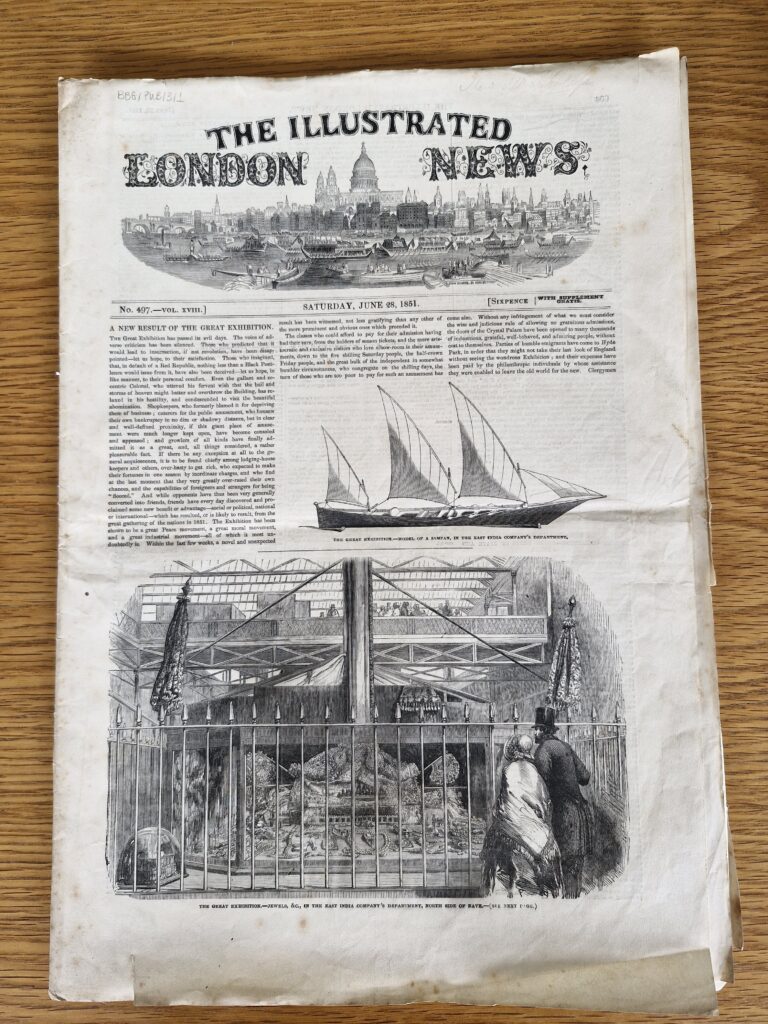
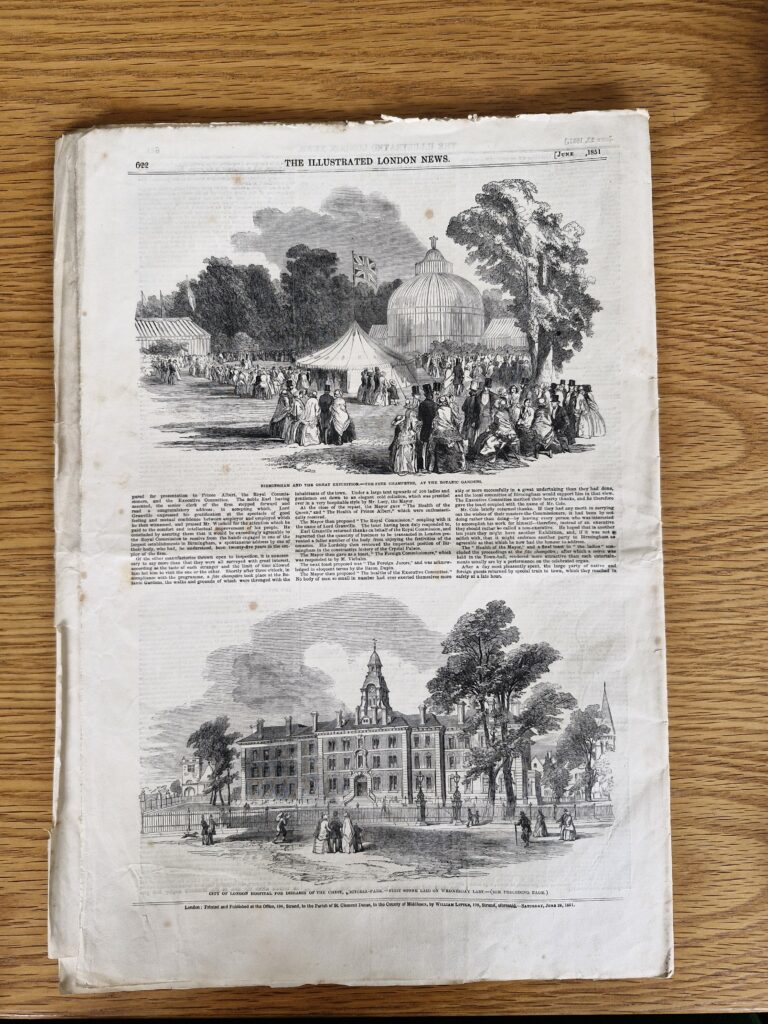
In 1851, BBG was the place to be, as reported in The Illustrated London News. From a copy held in the archive, I read about “a day most pleasantly spent” at a “fête champêtre”, which literally translates as a “party in the fields”. Guests gathered “under a large tent” for “an elegant cold collation”, which sounds like quite the picnic.
Today, visitors can bring their own picnics to enjoy on the lawn or designated benches, although Medicine Bakery, with its pastries and cakes, may be more tempting. Whatever you fancy, the Gardens crucially remain a safe, green space in the heart of the industrial city where all of Birmingham can connect through nature, as well as culture.
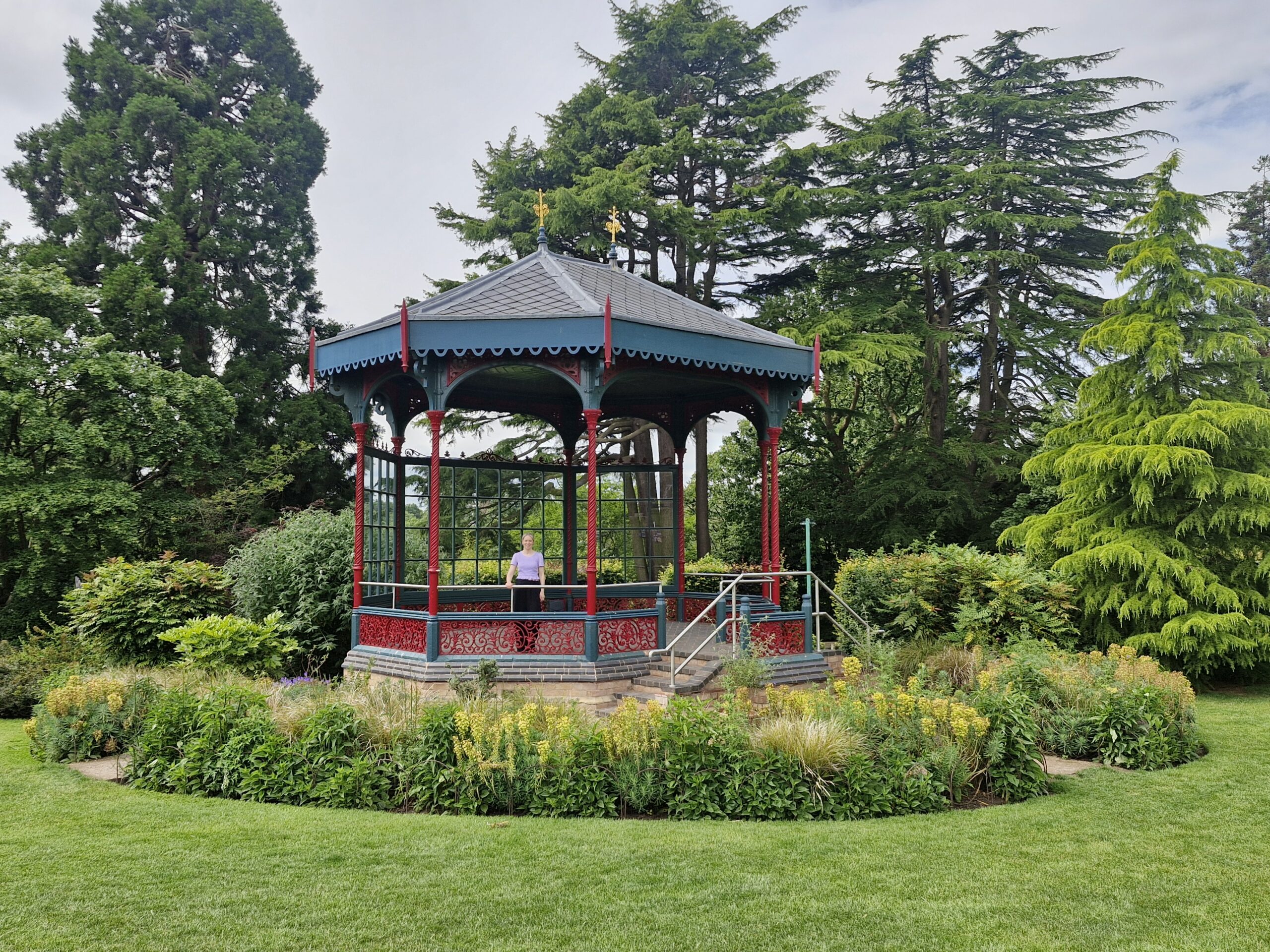
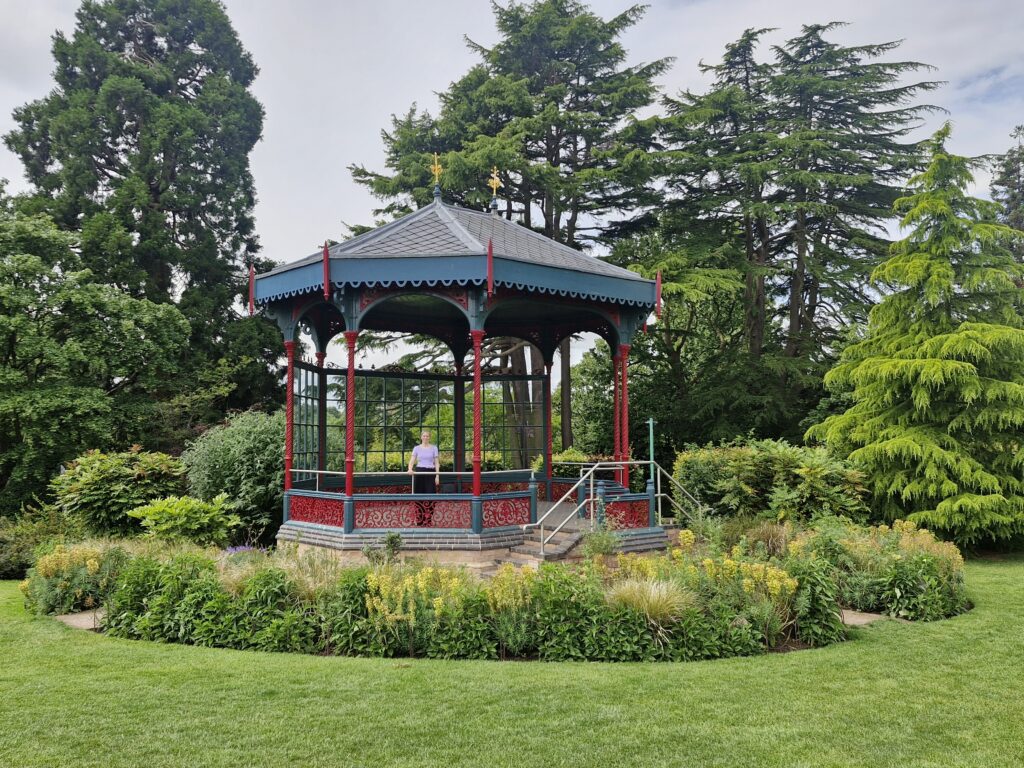
Still standing at the heart of the Gardens is the iconic bandstand, recently restored to its original 1857 colours of dark green and red. This summer, it will host a ‘Live on the Bandstand’ programme, with brass and jazz bands performing every second and fourth Sunday of the month.
Its position, at the bottom of the undulating hill, is an unusual feature for a Victorian garden but guarantees everyone a good view of the performers. It’s almost as if it was designed with this in mind, and I find out that it was. JC Loudon, one of the most influential and forward-thinking garden designers and horticulturalists of the 19th century, always meant the Gardens to host social activities and saw the potential of this slope as a natural amphitheatre.
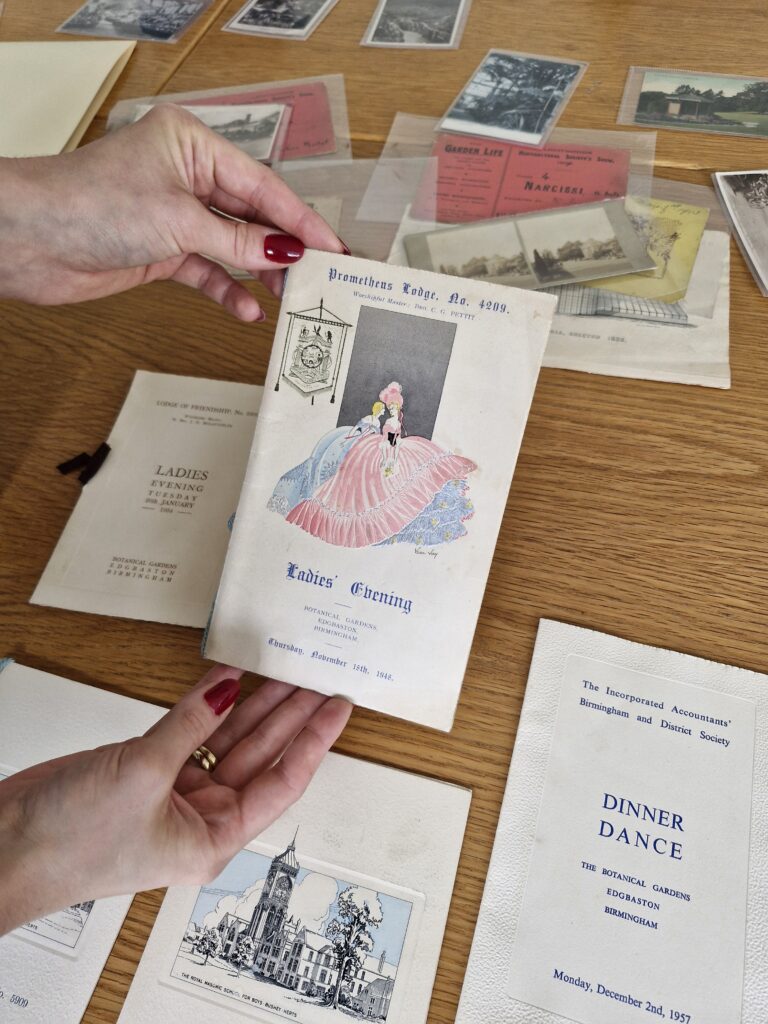
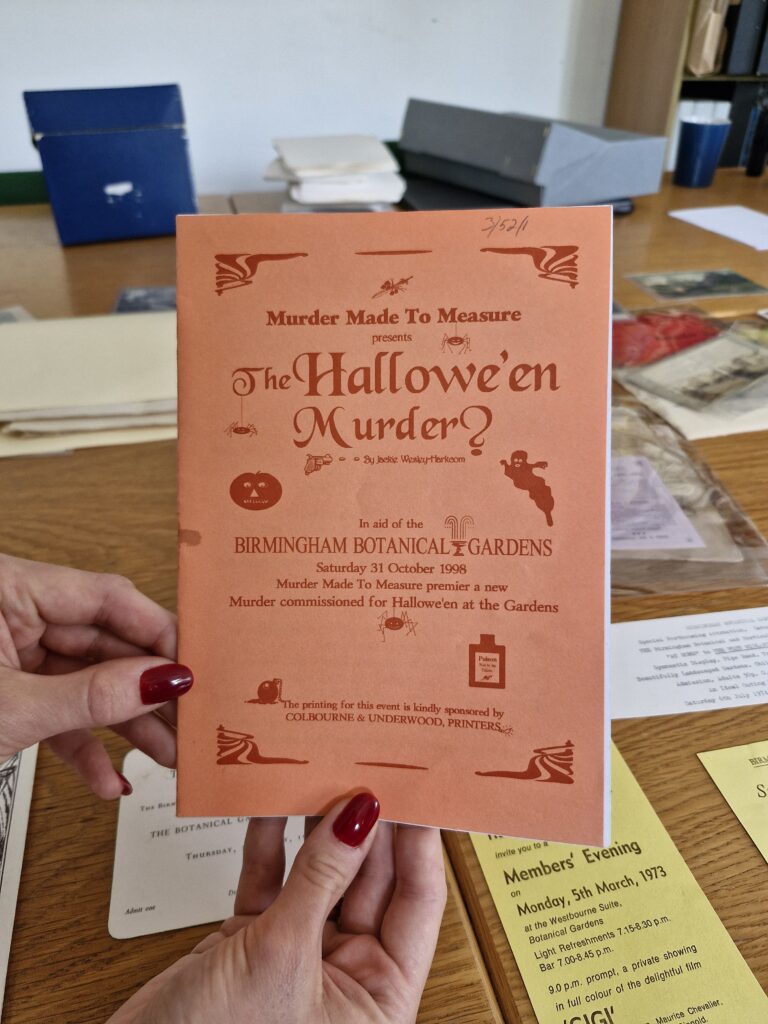
An original paper programme from August 1889 lists an evening of classical music hits, one after another, plus a grand finale of… the National Anthem! The 1904 Summer Season, which I find printed in decorative fonts, also sounds delightful: there were concerts, a marching band, pastoral plays, plus Afternoon Teas, on the Terrace or in the Glasshouses.
Moving into the 1970s, a thin yellow card advertises “a private showing in full colour of the delightful film ‘GIGI’” with tickets priced at £1.25 each. This August, a season of outdoors cinema screenings continues, thanks to a partnership with Mockingbird Cinema and Flatpack. The lineup includes Pulp Fiction, Sinners and, for those who dare to watch it among the rustling trees, Jurassic Park.
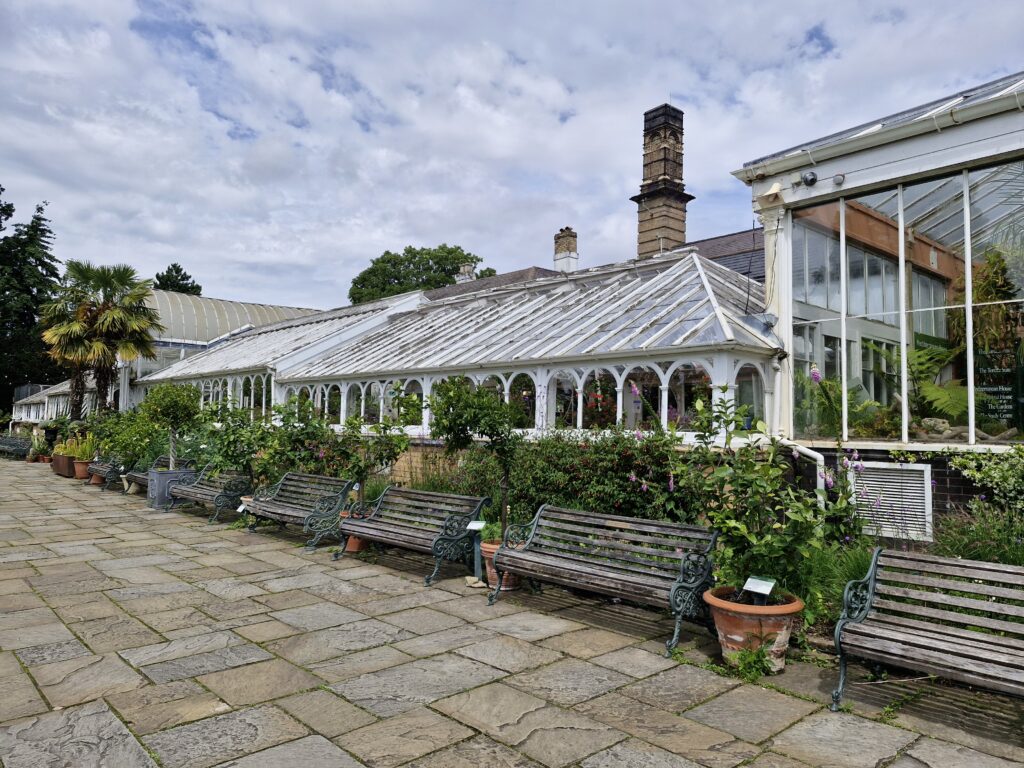
Before the films start, guests can explore the Grade II* listed landscape and Glasshouses which have largely remained the same since the 19th century. A highlight of the archive is a series of black and white photographic postcards, once sold in the gift shop, that show what the Gardens used to look like from the 1830s until the 1940s. While there are no longer parrots or monkeys kept in captivity, the site, on the whole, is unchanged.
Looking ahead, the Gardens are now preparing for major restoration works, meaning this summer will be one of the last chances for people to experience the site in its current form. BBG has been awarded £9.075m from The National Lottery Heritage Fund towards its major restoration, Growing Our Green Heritage, to preserve this nationally significant historic botanic garden and save Birmingham’s priceless heritage for future generations.
Without intervention, the Victorian glasshouses, identified as at risk by Historic England, would have faced closure within 2 years. Starting in January 2027, they will be carefully repaired and restored to the original designs, providing the perfect conditions to protect and grow a globally significant Living Collection of plants.
This vital and timely funding will also enhance visitor infrastructure and amenities, improving sustainability and expanding public access to learning, horticulture, heritage and nature. For a start, work will begin Summer 2026 on a new outdoor classroom ‘The Barn’, which will connect all learners with the Gardens green spaces.
Personally, I am most looking forward to seeing the new visitor welcome centre and café, which will offer sweeping views over the Gardens. I was also excited to hear about a special series of Hard Hat tours, offering behind-the-scenes experiences, during the works.
At this poignant cultural moment for Birmingham’s Gardens, it’s good to remember that they have always been reimagined, throughout the decades, as an immersive green space for events, leisure, health and wellbeing and wonder. Crucially, the vision for this landmark project remains true to their original purpose, as a space for human connectivity within nature.
As BBG’s Chief Executive Sara Blair-Manning says:
“As we approach the Gardens Bicentenary and through our major capital project we aim to ensure that the Gardens, the Global Living Collection and tangible and intangible heritage of this ‘miracle green space’ can be researched, shared and enjoyed, by increased and more diverse audiences, for the next 200 years.”
Long may we Brummies continue to enjoy BBG as a place for social interaction among nature, as it was always intended. If you’d like to discover more about the Gardens’ history, ‘A Potted History’ tour is being offered during Birmingham Heritage Week this September.
To find out more about what’s on and to book tickets, please visit birminghambotanicalgardens.org.uk/
